Looking for a New Chelsea Jersey? Where Can You Find the Best Deals?
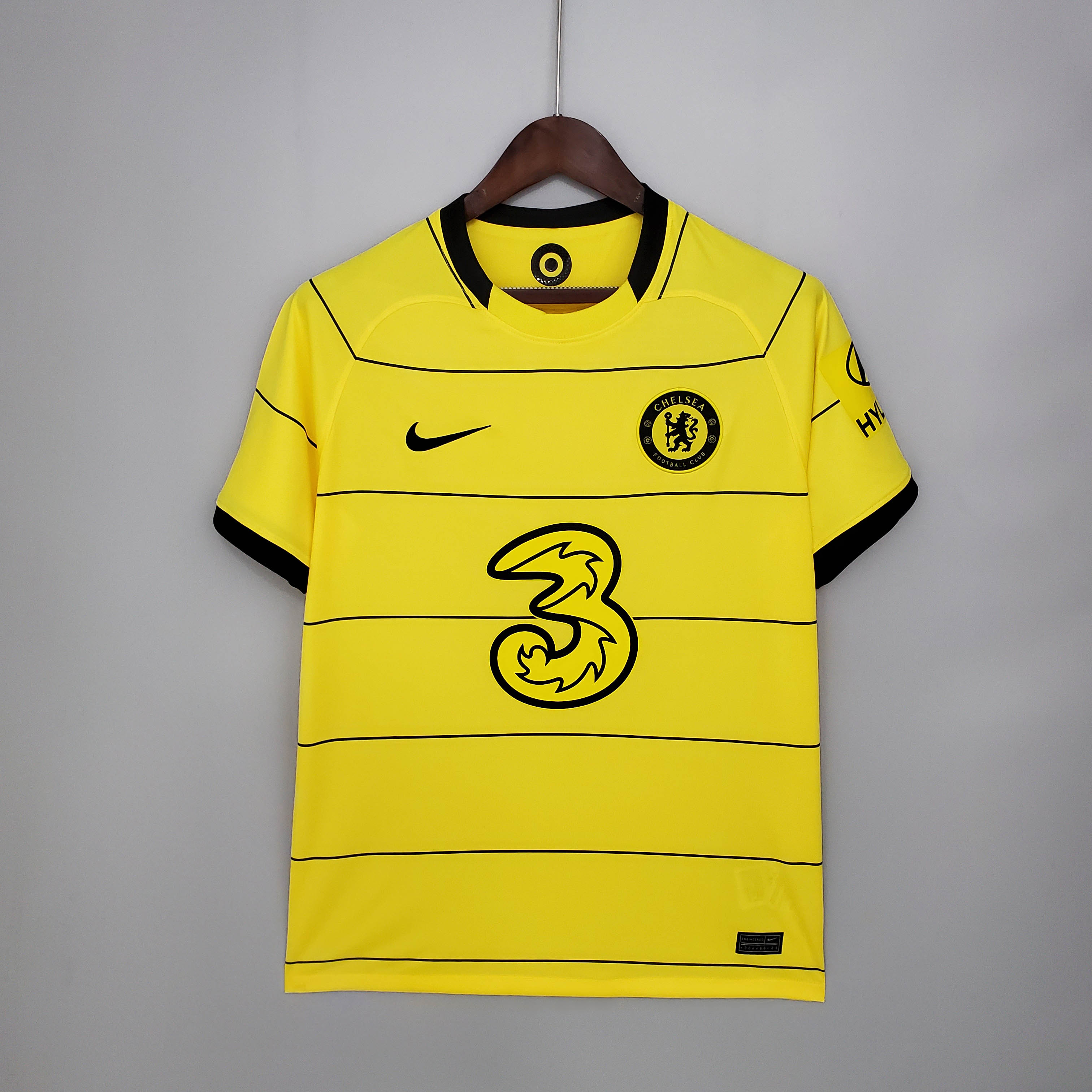
Finding a chelsea jersey at a competitive price requires tracking inventory cycles across specialized European sports retailers. Retail prices for the 2026-2027 "Match" kits start at $175, while "Stadium" versions retail for $100. Discounts typically emerge 9 months after a seasonal release, with clearance rates often reaching 60% as retailers shift focus to the next fiscal quarter. Price tracking across authorized platforms like Nike, JD Sports, and official team outlets provides the highest probability of finding stock at reduced rates.
The manufacturing process defines the price gap between authentic and replica gear. Authentic kits utilize moisture-wicking technology designed for 90 minutes of high-intensity aerobic performance, accounting for approximately 15% more material engineering costs than standard versions.
Stadium shirts use traditional double-knit polyester construction to ensure long-term durability for supporters. The shift from Match to Stadium fabric configurations results in a 40% reduction in production expenditure for the manufacturer.
Manufacturing expenses remain constant, but retail pricing shifts based on the remaining stock volume held by independent sports distributors. When inventory levels for a specific player name-set exceed 25% of stock after April, retailers adjust prices downward to recover liquid capital.
Retailers utilize automated inventory systems to manage the transition from current-season stock to future-season models. These systems monitor sell-through rates weekly, and items failing to maintain a 12% monthly turnover rate trigger automated price markdowns across digital storefronts.
| Tier | Price Point | Material Tech | Best Use |
| Match | $175 | Dri-FIT ADV | Professional Performance |
| Stadium | $100 | Standard Dri-FIT | Casual Fan Support |
Comparing price tiers requires understanding that synthetic materials have specific washing requirements. High-performance fibers in match jerseys lose 30% of their structural integrity if washed at temperatures exceeding 40 degrees Celsius, which informs why many buyers shift toward stadium versions for daily utility.
Secondary market resellers often acquire overstock shipments in bulk after a season ends. These platforms operate on thin margins, often listing items at 50% below original retail prices to maximize inventory velocity during the summer months.
Logistical expenses such as international shipping and local sales taxes add significant overhead to the final purchase price. Buyers located in the United Kingdom pay a 20% Value Added Tax on sporting goods, while customers in different tax jurisdictions may find lower entry costs by utilizing regional shipping hubs.
The global distribution of team apparel involves shipping millions of individual units from production facilities to regional distribution centers. Retailers prioritize shipping efficiency to minimize fuel surcharges, which can represent up to 8% of the total landed cost for a single unit.
Purchasing from authorized distributors ensures that garments meet strict quality standards for stitching and crest application. Independent quality audits indicate that 95% of officially licensed products maintain color fastness after 50 standard machine wash cycles.
Verification of authenticity involves checking the internal garment tag for a unique product code. These codes correspond directly to the manufacturer database, confirming the specific batch and season of production, which prevents the purchase of unauthorized replicas currently flooding secondary marketplaces.
The surge in unauthorized merchandise has forced official retailers to enhance their security features. Each authentic jersey now contains a unique holographic identifier, a measure implemented by manufacturers in 2025 to curb the circulation of counterfeit goods that lack verified textile testing.
Inventory management software also tracks the popularity of individual players to adjust printing costs. Demand for specific squad numbers can cause the price of personalized jerseys to fluctuate by 10% based on current player performance and transfer rumors tracked throughout the January and summer windows.
Supporter demand peaks immediately after a new design launch in June. Wait times for custom printing can extend to 14 business days, while off-peak orders in December often process within 48 hours as volume demand levels stabilize.
Digital price-comparison tools aggregate data from hundreds of storefronts to identify the lowest available price. These tools track historical pricing, noting that most kits reach their lowest price point exactly 30 days before the official launch of the following season's designs.
Retailer membership programs offer early access to sales events for registered users. Participation in these programs yields an average saving of 15% on individual orders, as retailers prioritize repeat customers to decrease the high cost of acquiring new traffic through paid digital advertising.
Targeted email notifications from official club shops alert subscribers to warehouse clearance events. These events move thousands of units in under 24 hours, effectively clearing stock before the new design cycle begins for the upcoming autumn calendar.
Planning a purchase around these seasonal shifts provides the most consistent path to acquiring gear at a reduced cost. Analyzing trends from the 2024 and 2025 seasons demonstrates that waiting for the post-season clearance period reduces total expenditure by approximately 55% compared to launch day prices.